
DHL Logistics Jobs 2026: Career Guide for South African Job Seekers
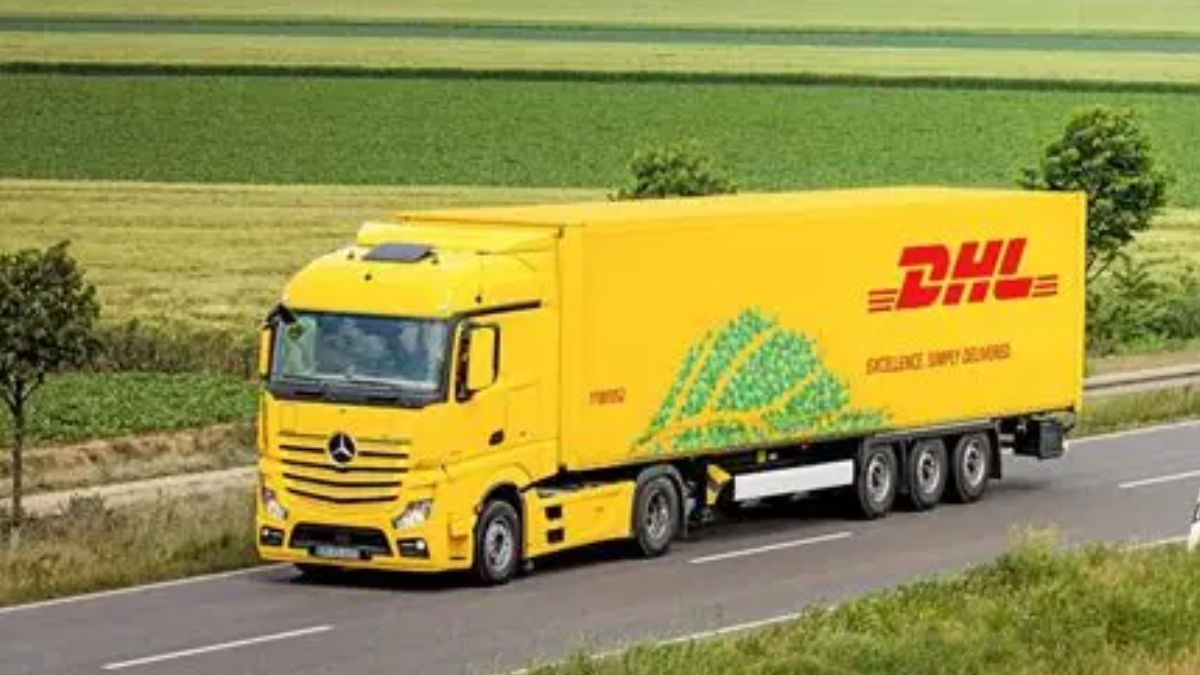
DHL Logistics Careers 2026: Job Opportunities, Requirements, Salary Expectations, CV Tips and Career Growth in Supply Chain and Transportation
The logistics industry continues to play a critical role in connecting businesses, customers, manufacturers, and international markets. As global trade, e commerce, and supply chain networks expand, logistics companies remain at the center of product movement and distribution. Among the most recognized names in the logistics sector is DHL, a company that operates across transportation, warehousing, freight forwarding, supply chain management, and international shipping services.
For many South African job seekers, DHL careers are attractive because they offer opportunities across multiple fields, from entry level warehouse positions to specialized supply chain and management roles. The company is known for operating in a fast paced environment where teamwork, efficiency, customer service, and innovation are highly valued.
Whether you are a recent school leaver, an experienced logistics professional, or someone interested in building a long term career in transportation and supply chain operations, understanding the skills and qualifications required can help you prepare for future opportunities.
This guide explores DHL Logistics careers in 2026, including common job roles, requirements, salary expectations, application preparation, CV writing advice, interview tips, and long term career development opportunities.
About DHL
DHL is a global logistics and transportation company that provides services across numerous industries. The organization supports businesses and consumers through transportation networks that move products locally and internationally.
Services commonly associated with logistics operations include:
Express delivery services
Freight forwarding
Supply chain management
Warehousing solutions
Distribution services
International shipping
Transportation planning
Inventory management
Because logistics operations involve multiple business functions, DHL careers can appeal to individuals with different educational backgrounds and skill sets.
Why Consider a Career in Logistics?
The logistics industry remains one of the most diverse employment sectors.
Benefits of pursuing a logistics career include:
Exposure to global trade
Career advancement opportunities
Transferable workplace skills
Industry stability
Professional development opportunities
Variety of career paths
Experience with modern technology systems
As businesses continue to depend on efficient supply chains, skilled logistics professionals remain in demand.
Common DHL Logistics Job Opportunities
Warehouse Assistant
Warehouse assistants support inventory management and distribution activities.
Responsibilities may include:
Receiving deliveries
Organizing inventory
Loading and unloading goods
Conducting stock counts
Preparing products for dispatch
Maintaining warehouse organization
Warehouse positions often serve as entry points into logistics careers.
Driver Positions
Drivers are responsible for transporting goods safely and efficiently.
Typical duties include:
Delivering shipments
Conducting vehicle inspections
Following scheduled routes
Maintaining delivery records
Ensuring customer satisfaction
Drivers play a key role in supporting transportation operations.
Logistics Administrator
Administrative personnel help maintain operational efficiency.
Responsibilities may include:
Capturing shipment data
Preparing reports
Maintaining records
Supporting communication processes
Coordinating documentation
Assisting operational teams
Customer Service Representative
Customer service professionals support clients throughout the shipment process.
Typical responsibilities include:
Responding to customer inquiries
Tracking shipments
Resolving service related issues
Providing updates
Maintaining customer records
Supply Chain Coordinator
Supply chain coordinators help manage product movement and operational planning.
Responsibilities may include:
Shipment scheduling
Inventory monitoring
Supplier communication
Delivery coordination
Performance tracking
Operations Supervisor
Supervisors oversee logistics teams and support operational performance.
Duties may include:
Team management
Workflow monitoring
Performance improvement
Safety compliance oversight
Operational reporting
Skills Employers Look For
Communication Skills
Logistics professionals interact with customers, suppliers, colleagues, and transportation providers.
Strong communication supports efficient operations and customer satisfaction.
Attention to Detail
Accurate documentation and shipment management are essential in logistics.
Employers value candidates who work carefully and consistently.
Time Management
Meeting deadlines is a critical part of transportation and supply chain operations.
Employees must prioritize tasks effectively.
Teamwork
Successful logistics operations rely on collaboration between departments.
Problem Solving
Unexpected challenges may arise during transportation and distribution activities.
Employers appreciate candidates who can identify practical solutions.
Computer Literacy
Modern logistics operations depend heavily on digital systems and technology.
Basic computer skills are often required for many positions.
Typical Requirements
Requirements vary depending on the role.
Entry level opportunities commonly require:
Grade 12 (Matric)
Good communication skills
Computer literacy
Attention to detail
Ability to work in teams
Driver positions may require:
Valid driver’s licence
Safe driving record
Relevant driving permits
Administrative and management roles may require:
Relevant qualifications
Logistics experience
Supply chain knowledge
Leadership experience
Salary Expectations
Compensation varies according to position, experience, and responsibilities.
Estimated monthly salary ranges may include:
Warehouse Assistants
R6,000 to R12,000
Drivers
R8,000 to R25,000
Customer Service Representatives
R10,000 to R22,000
Logistics Administrators
R10,000 to R25,000
Supply Chain Coordinators
R15,000 to R40,000
Operations Supervisors
R20,000 to R50,000
Operations Managers
R45,000 to R100,000 or more
Actual salaries may differ according to business requirements and experience levels.
How to Create a Strong DHL Logistics CV
A professional CV can significantly improve your chances of success.
Professional Summary Example
“Motivated and detail oriented professional with strong communication skills, organizational abilities, and an interest in logistics and supply chain operations. Committed to supporting efficient transportation processes while maintaining high standards of customer service and operational excellence.”
Important Skills to Include
Logistics coordination
Customer service
Computer literacy
Communication
Time management
Teamwork
Problem solving
Inventory management
Record keeping
Transportation support
Work Experience Section
Include relevant experience such as:
Warehouse roles
Customer service positions
Administrative work
Driving experience
Distribution support
Inventory control
Transferable experience can strengthen applications significantly.
CV Tips for Better Results
Keep It Professional
Use a clean format with clear headings.
Highlight Relevant Skills
Focus on abilities related to logistics and customer service.
Quantify Achievements
Where possible, include measurable accomplishments.
Proofread Carefully
Eliminate spelling and grammar errors.
Update Contact Information
Ensure employers can reach you easily.
Common Application Mistakes
Many applicants reduce their chances through avoidable errors.
Examples include:
Missing information
Outdated CVs
Incorrect contact details
Poor formatting
Generic applications
Spelling mistakes
Careful preparation demonstrates professionalism.
also see Super Group Logistics Jobs 2026: Career Guide for South African Job Seekers
Boxer Superstores Vacancies Guide 2026 – How to Apply for Boxer Jobs in South Africa
Gridiron Logistics Vacancies Guide 2026 Career Opportunities
SCS Worldwide Logistics Vacancies Guide 2026: How to Apply
Sibanye-Stillwater Learnership 18.2 Learner Official Mining 2026 (X4 Positions)
Interview Questions You May Encounter
Why are you interested in logistics?
Discuss your interest in transportation, supply chain operations, and business processes.
How do you handle pressure?
Provide examples showing organization and problem solving abilities.
Describe a challenge you solved.
Share an example that demonstrates initiative and critical thinking.
How do you prioritize tasks?
Explain your approach to managing deadlines and responsibilities.
Interview Preparation Tips
To prepare effectively:
Research the logistics industry
Learn basic supply chain concepts
Review your CV
Practice common interview questions
Dress professionally
Arrive early
Demonstrate enthusiasm for learning
Employers often value positive attitudes alongside technical skills.
Career Growth Opportunities
The logistics industry offers numerous advancement opportunities.
Possible career pathways include:
Warehouse Assistant → Warehouse Supervisor
Driver → Fleet Coordinator
Logistics Administrator → Logistics Coordinator
Coordinator → Senior Coordinator
Senior Coordinator → Operations Supervisor
Operations Supervisor → Operations Manager
Operations Manager → Regional Manager
Professionals may also specialize in:
Supply chain management
Freight forwarding
Procurement
Inventory control
Distribution planning
Transportation management
Logistics consulting
Industry Trends Shaping Logistics Careers
Several developments continue to influence logistics employment.
These include:
E commerce growth
Digital supply chains
Real time tracking systems
Warehouse automation
Data driven logistics planning
Sustainable transportation initiatives
Professionals who continue developing their skills often remain competitive in the industry.
Frequently Asked Questions
Do I Need Experience to Work in Logistics?
Not always.
Many entry level positions provide training and focus on transferable skills.
Is Matric Required?
Many logistics positions require Grade 12, although requirements differ between roles.
Can Logistics Lead to Long Term Career Growth?
Yes.
Many professionals begin in entry level roles and progress into supervisory and management positions.
Are Technology Skills Important?
Yes.
Digital systems play an important role in modern logistics operations.
Final Thoughts
DHL Logistics careers provide valuable opportunities for individuals interested in transportation, warehousing, distribution, customer service, and supply chain management. The industry offers diverse career paths while providing opportunities for professional growth and skills development.
By focusing on communication, reliability, attention to detail, and continuous learning, candidates can strengthen their applications and position themselves for long term success. As global trade and supply chain networks continue to evolve, skilled logistics professionals remain essential contributors to business operations throughout South Africa and around the world.