
Logan Freight Logistics Jobs South Africa
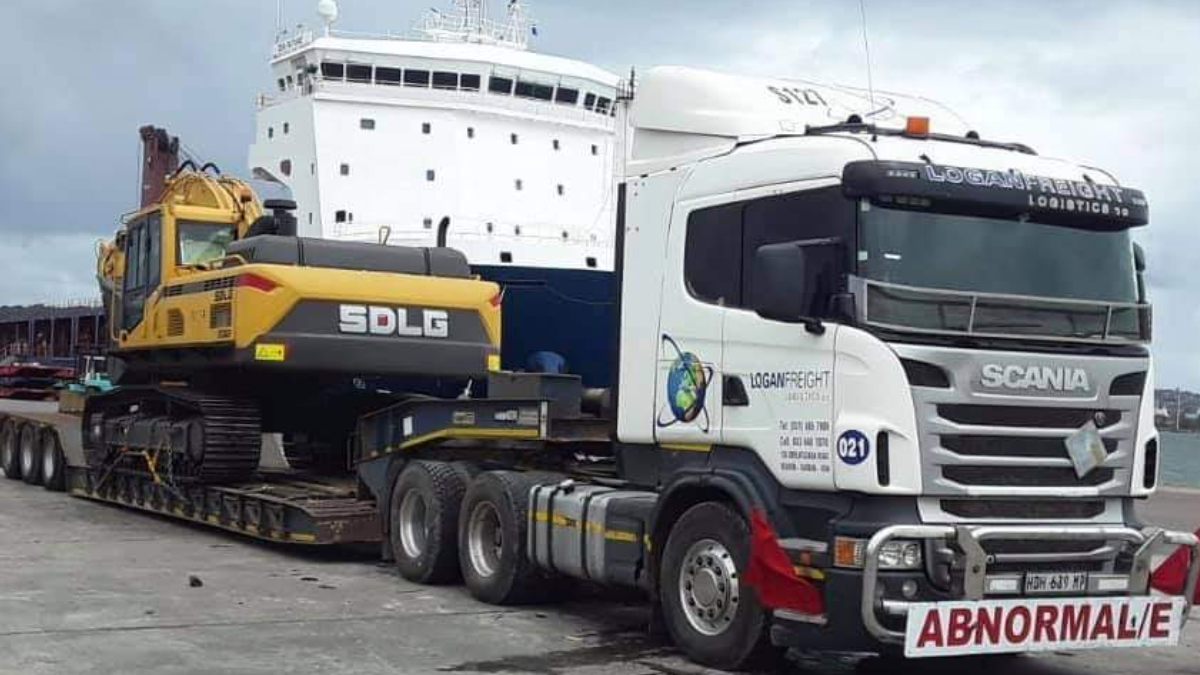
Logan Freight Logistics Jobs in South Africa: Career Paths, Salaries, Skills, and Application Guide
Logistics plays a central role in South Africa’s economy, ensuring that goods move reliably from origin to destination. As companies expand distribution networks and e‑commerce grows, transport and freight logistics firms need people across a range of functions and experience levels.
Logan Freight Logistics is one such company that supports efficient cargo movements, freight coordination, warehousing, and delivery services. Opportunities within logistics are available for individuals who enjoy practical work, teamwork, and operations that connect businesses with consumers.
This guide explains in depth the types of careers available with Logan Freight Logistics, what employers typically look for, common salary expectations, and tips that help you submit strong applications. Whether you are entering the workforce, changing careers, or seeking advancement, understanding this growing sector can position you for meaningful employment.
About Logan Freight Logistics
Logan Freight Logistics is a South African logistics company involved in transporting, storing, and distributing goods across the region. The company handles freight services for multiple industries, including retail, manufacturing, agriculture, and consumer goods.
Key services often provided by freight logistics companies like Logan Freight include:
- Road freight transportation
- Warehouse storage and handling
- Distribution and delivery coordination
- Supply chain support services
- Freight documentation and tracking
Logistics companies rely on coordinated teams and structured operational procedures to deliver goods on time and in good condition. Working in freight logistics means working in an environment where organisation, teamwork, and customer focus matter.
Careers Available at Logan Freight Logistics
A logistics company requires a mix of operational, technical, and administrative roles. Although actual vacancies depend on business needs, common jobs within freight logistics include:
Driver and Transport Roles
Professional drivers are essential to freight logistics. They move goods between depots, warehouses, clients and distribution hubs.
Typical responsibilities:
- Operate company vehicles safely and professionally
- Follow assigned delivery routes and schedules
- Load and unload freight as required
- Complete delivery documentation and logs
- Communicate with dispatch teams about schedule or route updates
Depending on the vehicle, drivers may require licences such as a standard driver’s licence, Professional Driving Permit (PrDP), or heavy vehicle licence.
Warehouse and Distribution Roles
Warehouse staff ensure that goods are sorted, stored, and prepared for delivery. These roles focus on careful inventory handling and timely dispatch.
Key tasks include:
- Unloading and loading freight vehicles
- Sorting incoming and outgoing goods
- Keeping inventory organised
- Preparing goods for shipment
- Recording stock movement
Strong attention to detail and good physical fitness help warehouse staff deliver outcomes consistently.
Logistics Coordination and Planning
Coordinators help ensure that the right freight is delivered at the right time. They work behind the scenes to organise schedules, routes and documentation.
Responsibilities may consist of:
- Managing shipment schedules and delivery routes
- Communicating with drivers and customers
- Preparing freight documentation
- Tracking freight status
- Coordinating between warehouse, transport and customer service teams
These roles suit candidates who enjoy planning and organising operations.
Administration and Support Roles
Freight logistics also needs people who support operations from the office. Administrative roles help with reporting, documentation and internal support.
Common responsibilities include:
- Data entry and documentation
- Handling customer queries
- Preparing invoices and reports
- Scheduling appointments and shifts
- Supporting billing and finance teams
Strong organisational skills and computer literacy are helpful in administrative positions.
Skills That Support Success in Logistics Jobs
People who thrive in freight logistics often share certain abilities, including:
- Time management and punctuality
- Teamwork and collaboration
- Clear written and verbal communication
- Problem solving and adaptability
- Attention to detail
- Basic technology skills (e.g., Microsoft Office)
Developing these skills increases your chances of success during selection and on the job.
other vacancy you should check Vector Logistics Driver and Warehouse Opportunities South Africa
Salary Range in the Freight Logistics Sector
Salaries in logistics vary widely depending on the role, experience, responsibilities, and location. Typical ranges in the South African market include:
Entry‑level logistics jobs
Approximately R5,500 to R9,000 per month
Driver positions
Approximately R9,000 to R20,000 per month, depending on licence type and experience
Warehouse and distribution supervisors
Approximately R10,000 to R22,000 per month
Logistics coordinators or planners
Approximately R12,000 to R28,000 per month
Administrative support and documentation roles
Approximately R7,000 to R18,000 per month
These figures are general indicators and may vary slightly by company, location, and experience level.
Eligibility and Basic Requirements
While specific requirements vary by role, most logistics positions include some common expectations:
- Matric (Grade 12) or equivalent qualification
- Valid driver’s licence for transport roles
- Professional Driving Permit (PrDP) for commercial roles
- Basic computer literacy for administrative positions
- Willingness to work flexible hours or rostered shifts
- Ability to follow procedures and work well with teams
Previous experience in logistics, warehousing or transport can strengthen job prospects, but many companies offer entry‑level training for committed individuals.
also see Transnet Careers Guide South Africa
Legend Logistics Guide South Africa
Triton Express Vacancies 2026: Driver, Warehouse and Logistics Jobs in South Africa
Powerful Colt Transport Logistics Opportunities South Africa
. DPSA Circular 07 of 2026: Latest Government Job Opportunities Across South Africa
Application Tips for Logistics Roles
Preparing a strong application increases your chance of consideration. Below are practical tips:
Present a Clear and Relevant CV
Your CV should highlight:
- Previous work experience
- Licences and qualifications
- Skills relevant to logistics or transport
- Any professional training or certificates
Avoid long paragraphs. Use clear bullet points to describe duties and achievements.
Demonstrate Reliability and Initiative
Employers value people who show reliability, organisational ability and a willingness to learn. During interviews, be ready to describe situations where you managed tasks independently or solved a workplace challenge.
Highlight Customer Service Experience
Many logistics roles involve customer communication. If you have experience interacting with clients, suppliers, or operational teams, emphasise it in your application.
Prepare for Practical Assessments
Some roles may include route planning tests, document processing exercises or discussions about how you would handle work scenarios. Practice logistical thinking and keep explanations simple and professional.
Growth and Development in Logistics Careers
The freight logistics sector offers clear paths for advancement. Many professionals begin in operational or entry‑level roles and grow into positions such as:
- Senior driver
- Logistics team supervisor
- Transport planner
- Inventory controller
- Logistics coordinator
- Operations manager
With additional training and experience, opportunities can expand into specialised areas such as supply chain analysis, freight planning or transport leadership roles.
The skills gained in logistics — organisation, planning, communication — are also transferable to other industries.
Why Logistics Careers Matter in South Africa
Logistics supports nearly every other industry in the economy. Without efficient freight movement, supply chains would slow down, products would be delayed, and businesses would struggle to meet demand.
Companies such as Logan Freight Logistics contribute to linking production points with markets, supporting industries and creating jobs that form part of the economic backbone. For job seekers who enjoy practical work, organised teamwork and problem solving, logistics provides stable and dynamic career paths.
Conclusion
Logistics careers offer meaningful opportunities for individuals who seek work that is both practical and impactful. From drivers transporting goods to coordinators planning complex schedules, each role contributes to keeping goods moving throughout South Africa.
For those interested in transport, warehousing or administration, the logistics sector remains an accessible and growing field. With the right preparation, relevant skills and a clear application, job seekers can build long‑term careers in this essential industry.